
Stereotypes: How African Americans Have Been Depicted In Advertising
Posted on: February 8, 2026, by : aahmsnj.org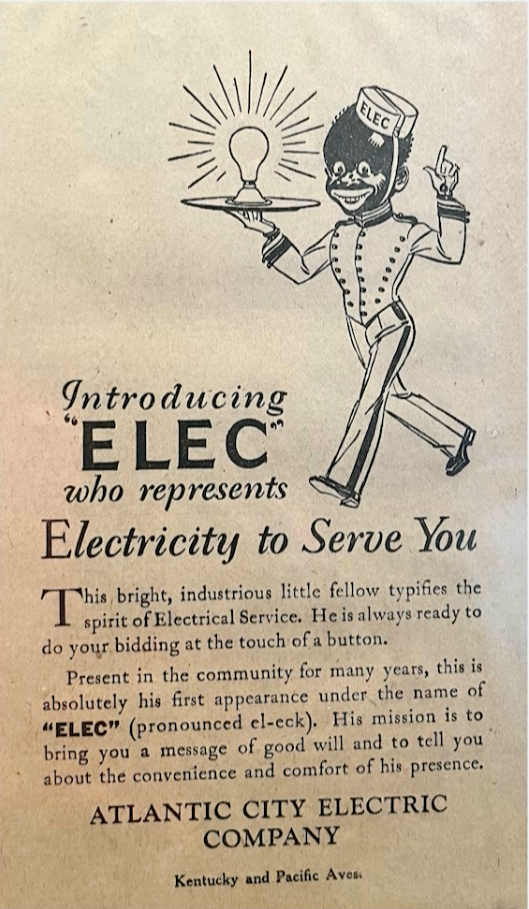
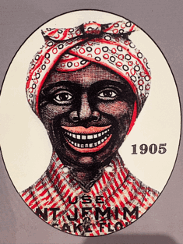
Exhibit that shows how companies used images that reinforced negative stereotypes.
At AAHMSNJ Atlantic City (Noyes Arts Garage of Stockton University)
2200 Fairmount Avenue, Atlantic City, NJ 08401
THIS EXHIBIT IS NOW PART OF OUR PERMANENT COLLECTION
“Stereotypes: How African Americans Have Been Depicted In Advertising” examines the history of negative portrayals of Black Americans used by several global, national, and local companies. Through a compelling display of advertisements, products, and media, this exhibit explores how these representations have shaped and influenced public perception.
"Stereotypes" includes historical artifacts associated with Atlantic City Electric that have been provided by Larry Frankel, the estate of Dr. Stanley Abrams, and from the museum's vast collection. The exhibit was curated by Stockton University students Adrianna Schofield and My’air Henry.
The collection examines how corporate branding and advertising relied on racial stereotypes, revealing broader social attitudes and power dynamics of the 19th through the 21st centuries. Other widely recognized companies featured include Aunt Jemima, Cream of Wheat, Uncle Ben’s Rice, Darkie Tooth Paste, Little Black Sambo’s, and Gold Dust Washing Powder.
African Americans have been depicted in U.S. advertising since the mid-19th century. Initially, most images were created by white advertising agencies and relied on negative stereotypes and caricatures. Introduced in 1889, Gold Dust Washing Powder was developed by the N.K. Fairbank Company, and became well-known for its brand trademark, the “Gold Dust Twins.” Two stereotypical African American children named Goldie and Dustie were featured prominently on the product and in advertising with the slogan “Let the Twins Do Your Work."
The use of such characters is an example of an era when companies used racially stereotyped images to promote their products. The well known Cream of Wheat’s brand mascot was modeled after a black chef who was only paid $5, while the company profited millions. However, increased black literacy and economic participation led to a more visible Black consumer market in the early 20th century. The practice came to be viewed as archaic and racist by the 1940s and 1950s, leading to many brands discontinuing caricatures in their advertising.
"Stereotypes" shows how negative imagery was normalized and circulated through consumer products with household names used by average Americans. The exhibit also includes cereal boxes from General Mills and Wheaties, illustrating positive stereotypes. Together, these artifacts prompt reflection on the lasting impact of these representations and the ways they continue to influence contemporary culture.
Sponsorship of the “Stereotypes” exhibit has been generously provided by

AAHMSNJ Atlantic City Museum Hours
Wednesday-Sunday 11 AM to 5 PM